
Digital Privacy in India: Your Rights Under the New Law
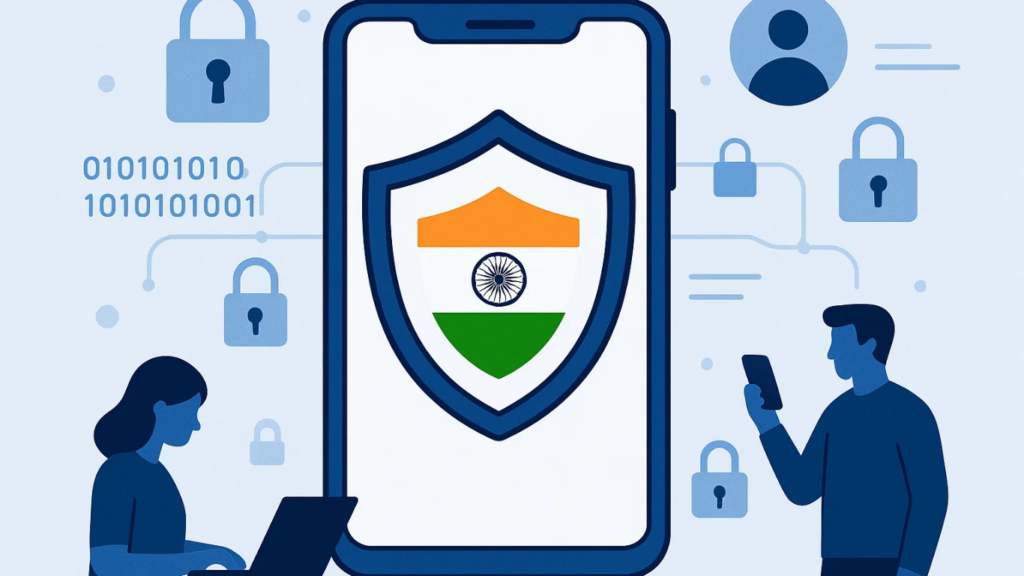
Author- The Lawscape Team
September 3, 2025
Introduction
In today’s digital world, almost every part of our lives is connected to technology. From shopping online and paying bills through UPI apps to scrolling social media and attending online classes, we constantly share pieces of our personal information without even realizing it. Every time you sign up for a new app, create a social media account, or even browse a website, you leave behind a digital footprint. This footprint includes details about you—your name, email address, phone number, location, and even your online habits. While this data may seem harmless, it is actually incredibly valuable. Companies use it to target ads, improve services, and sometimes even sell it to third parties. In the wrong hands, this data can lead to identity theft, financial fraud, and serious privacy violations.
Until recently, India did not have a modern and comprehensive law to deal with these issues. However, with the country’s digital economy expanding rapidly, the government recognized the urgent need to protect individuals’ privacy. This led to the passing of the Digital Personal Data Protection Act (DPDPA), 2023, a landmark law aimed at safeguarding citizens’ personal information and creating a more secure online environment. For the first time, Indian users are being given clear rights over their data, and companies are being made accountable for how they collect and use it. Understanding this law is essential not just for businesses but also for ordinary people like students, professionals, and everyday internet users.
What is Personal Data and Why It Matters
Personal data is any information that can be used to identify you. This includes basic details like your name, phone number, and address, as well as sensitive information such as your Aadhaar number, financial data, health records, and even biometric information like fingerprints. Less obvious data, such as your browsing history, shopping preferences, and location data collected by apps, also fall into this category. For example, when you use a food delivery app, it knows your home address, phone number, and favorite restaurants. Similarly, when you use an online payment app, it has access to your financial details.
The more personal data you share, the higher the risk of misuse. Cybercriminals can use leaked information to steal money, commit fraud, or even impersonate you online. Beyond cybercrime, companies may also exploit this data by selling it to advertisers without your knowledge. In short, personal data has become a kind of currency in the digital world, and protecting it is as important as safeguarding your wallet or bank account.
Why India Needed the Digital Personal Data Protection Act
Before the DPDPA, India relied on outdated laws like the Information Technology Act, 2000, which were not designed to handle modern privacy challenges. Many companies collected user data without providing clear explanations of how it would be used. People often clicked “I agree” on terms and conditions without realizing what they were consenting to. As a result, individuals had very little control over their own information, and companies faced no real consequences for data leaks or misuse.
The introduction of the DPDPA was driven by the growing need for a law that matches global standards. For instance, the European Union already has a strong privacy law called the General Data Protection Regulation (GDPR), which has been in place since 2018. India’s new law seeks to bring similar protections to its citizens. The main objectives of the DPDPA are to empower individuals with control over their data, ensure transparency in how companies handle information, and strengthen India’s position as a trusted digital economy.
Key Features of the Digital Personal Data Protection Act
The DPDPA introduces several important rules that affect both individuals and organizations. Here are some of the most significant changes explained in simple terms:
1. Consent is Now a Must
Under the new law, companies cannot collect your personal data without your clear and informed consent. This means that before an app or website gathers your information, it must explain why it needs the data and how it will be used. For example, a ride-hailing app must tell you that it requires your location to book a cab and cannot use that data for unrelated purposes like targeted advertising unless you explicitly agree. You also have the right to withdraw your consent at any time, and once you do, the company must stop using your data and delete it.
2. The Right to Be Forgotten
One of the most empowering features of this law is the Right to Be Forgotten. If you stop using a service or no longer want your data to be stored, you can request the company to erase it completely. Imagine you once signed up for a social media platform but later decided to delete your account. With this right, the platform must delete all your information rather than keeping it indefinitely.
3. Data Fiduciaries and Their Responsibilities
The DPDPA introduces the concept of Data Fiduciaries, which refers to companies, government bodies, or any organization that collects and processes personal data. These entities are required to:
- Collect only the data necessary for a specific purpose.
- Keep the data secure using proper encryption and safety measures.
- Notify the government and affected individuals in case of a data breach.
- Be transparent about how they handle personal data.
Larger organizations that process massive amounts of sensitive data are categorized as Significant Data Fiduciaries. They face stricter compliance requirements, such as appointing a Data Protection Officer and conducting regular audits.
4. Heavy Penalties for Data Breaches
To ensure compliance, the law introduces strict penalties. Companies that misuse or fail to protect data can face fines of up to ₹250 crore per violation. This is meant to push businesses to take privacy seriously and invest in better security measures.
How This Affects You in Everyday Life
Apps and websites will now need to be more transparent, clearly explaining why they are collecting your data and how it will be used. You will have more control over what information you share and the option to opt out if you feel uncomfortable. For example, if a shopping website asks for access to your contacts or location when it’s not necessary, you can refuse. The law also reduces the risk of data leaks, making online transactions and digital interactions safer. However, individuals must also play their part by being cautious. Use strong, unique passwords for different accounts, avoid sharing unnecessary details online, and regularly check the permissions granted to apps on your phone.
Challenges in Implementation
While the DPDPA is a significant step forward, implementing it effectively will be challenging. Many people in India are still unaware of the importance of data privacy and may not fully understand their rights. Small businesses may struggle to comply with the law due to limited resources and technical expertise. Moreover, the success of this law depends heavily on strong enforcement by regulatory authorities to ensure companies actually follow the rules.
Conclusion
The Digital Personal Data Protection Act, 2023 represents a turning point for privacy in India. It places power back into the hands of individuals, giving them greater control over their personal information. As our reliance on technology continues to grow, understanding and exercising your rights under this law is crucial.
While the road ahead may have challenges, this legislation sets the foundation for a safer and more trustworthy digital environment. By staying informed and making smart choices online, you can protect your privacy and fully benefit from the digital world without compromising your personal data.
The Lawscape — clear, practical legal insight for students and future lawyers.